Car Seat Stages by Age and Size: What NHTSA Recommends
The four stages every child moves through, when to switch, and the install rules that trip up most parents.
We may earn a commission when you buy through links on this page, at no extra cost to you. This does not change which products we cover. How we make money.
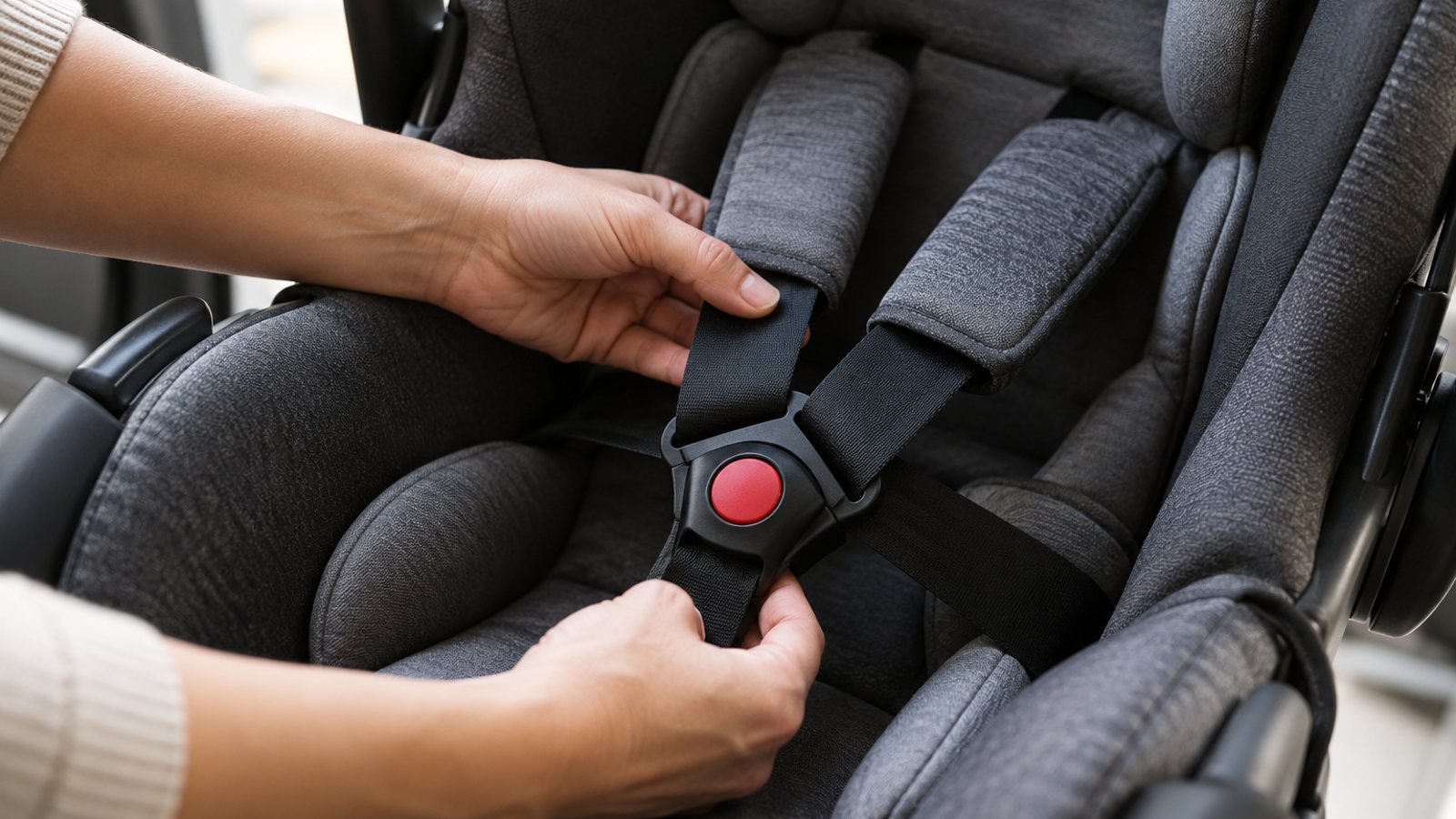
A child moves through four stages: rear-facing, forward-facing with a harness, booster, then the seat belt. NHTSA’s rule for every stage is the same: stay in the current stage until your child reaches the top height or weight limit of the seat, then move up. Age ranges are rough guides. The limits printed on your seat are what count.
Stage 1: rear-facing (birth to 3 years or longer)
NHTSA calls the rear-facing seat “the best seat for your young child to use.” In a crash, it cradles the child and moves with them, which reduces stress on the neck and spinal cord. Children under 1 should always ride rear-facing.
You have two kinds of rear-facing seat:
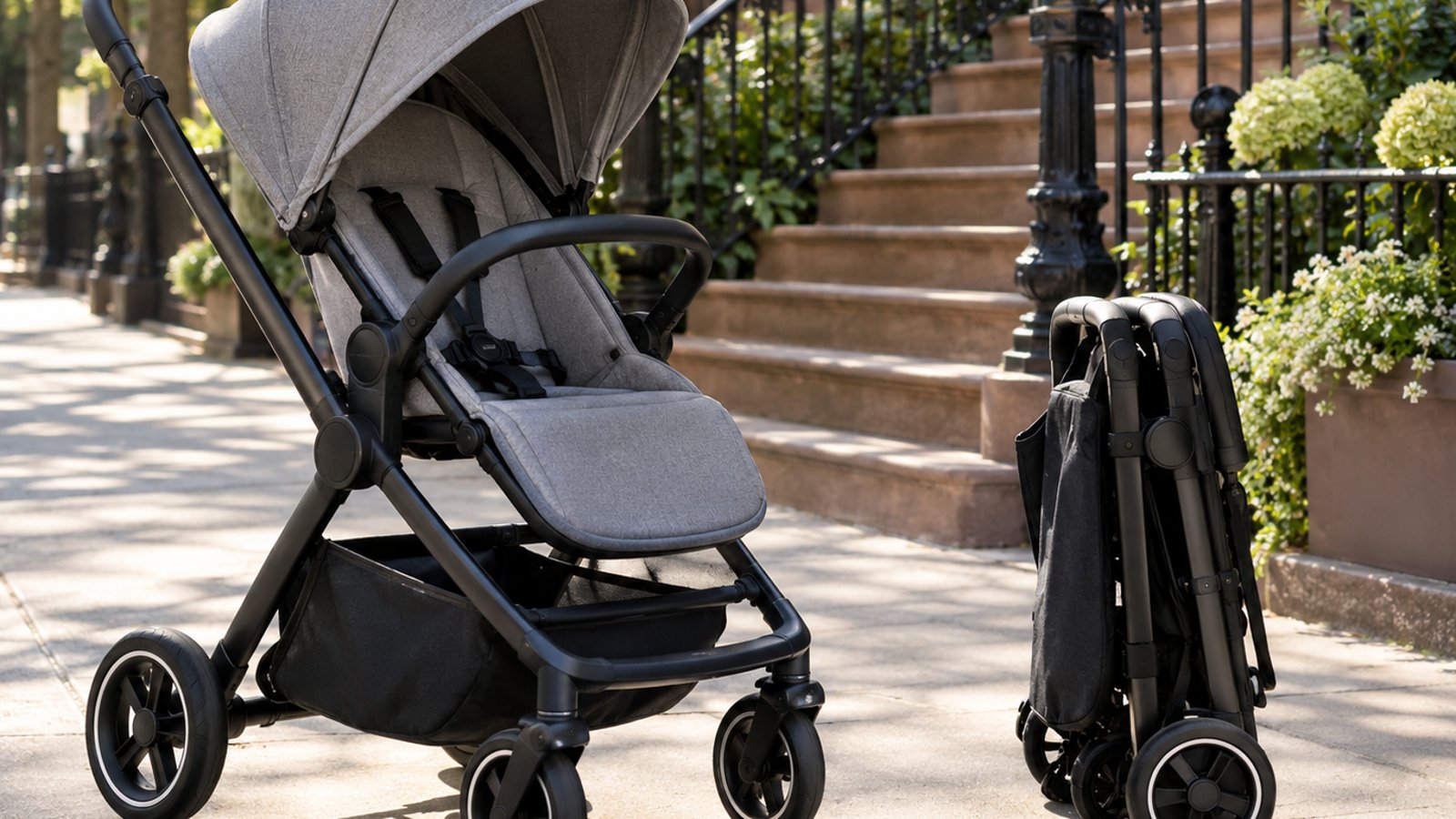
- Infant-only seats face the rear only. Most click into a base and a stroller.
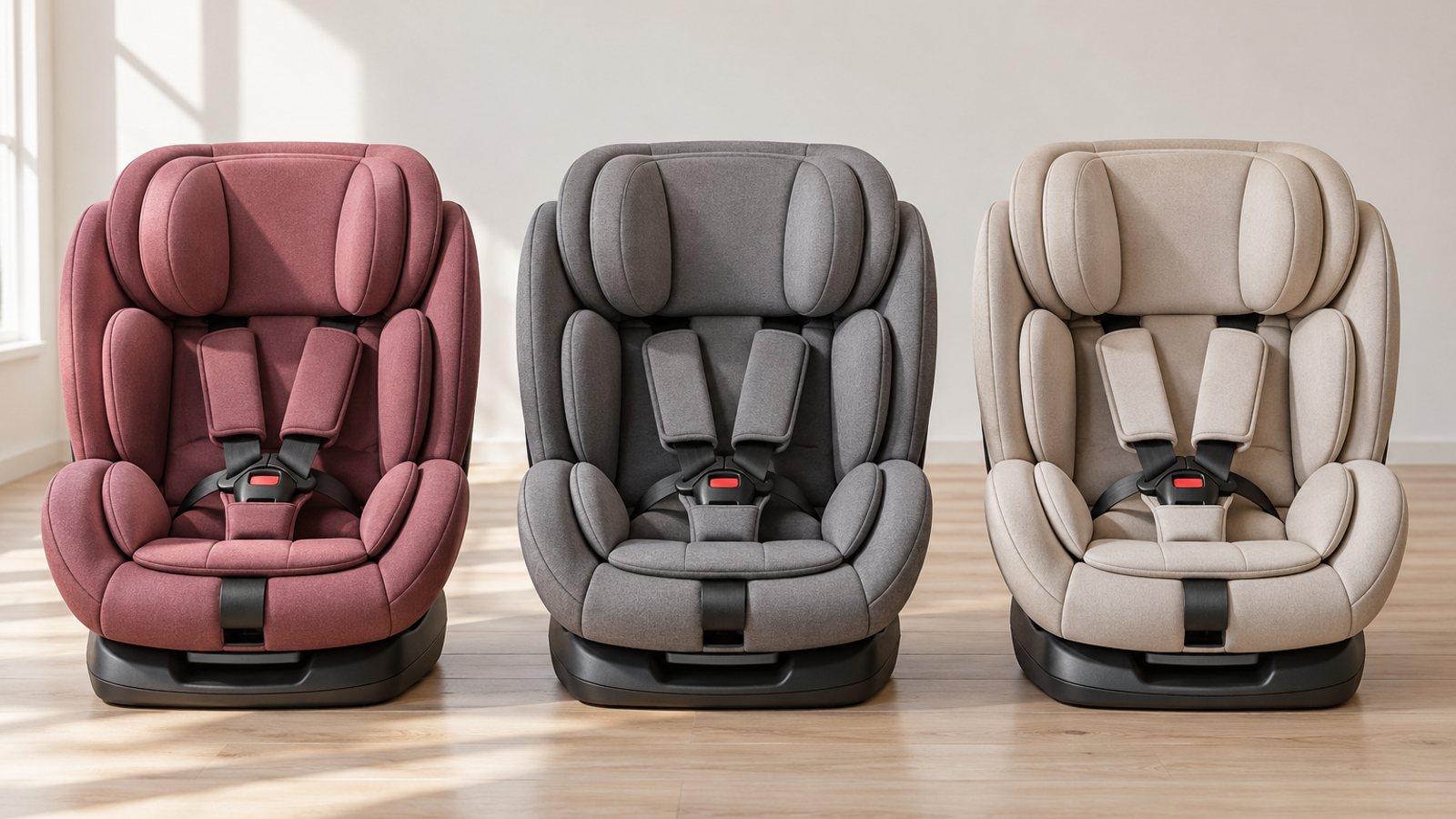
- Convertible and all-in-one seats usually have higher rear-facing limits, so your child can stay rear-facing longer. See our best convertible car seats for three seats rated to 50 lb rear-facing.
Stage 2: forward-facing with a harness (about 1 to 7 years)
Once your child outgrows the rear-facing limits, switch to forward-facing with a harness and a tether. NHTSA recommends using the tether with every forward-facing install, whether you use the seat belt or the lower anchors, as long as the seat and vehicle makers allow it.
Stage 3: booster seat (about 4 to 12 years)
A booster raises your child so the adult lap-and-shoulder belt sits over the hips and across the chest. Move to a booster only after your child outgrows the forward-facing harness limits.
Stage 4: seat belt (about 8 to 12 years and up)
Your child is ready for the seat belt alone when it fits:
- The lap belt lies snug across the upper thighs, not the stomach.
- The shoulder belt lies snug across the shoulder and chest, not the neck or face.
Keep children in the back seat at least through age 12.
Install rules that catch parents out
- LATCH or seat belt, never both. NHTSA says to install with either the lower anchors or the seat belt.
- Lock the belt. If you use the seat belt, check your vehicle manual for how to lock it.
- Lower anchors have weight limits. Check the label on the side of the seat. If there isn’t one, NHTSA’s fallback is 65 lb minus the weight of the car seat. Past the limit, reinstall with the seat belt.
- Test the fit. Not every seat fits every car. Try it in your vehicle before you buy.
- Get it checked. Find a car seat inspection station, where certified technicians check seats free of charge in most cases.
Register your seat
Register the seat with its maker, by mail card or online, so they can reach you about recalls. You can also sign up for NHTSA recall alerts by email or through the SaferCar app.
Frequently asked questions
When can my child face forward?
When they outgrow the rear-facing height or weight limit of their seat. NHTSA recommends keeping children rear-facing as long as possible, and children under 1 should always ride rear-facing.
When can my child stop using a booster seat?
When the seat belt fits: the lap belt lies across the upper thighs, not the stomach, and the shoulder belt crosses the shoulder and chest, not the neck or face. NHTSA places this between ages 8 and 12 for most children.
How old does a child need to be to ride in the front seat?
NHTSA advises keeping children in the back seat at least through age 12.
Where can I get my car seat checked?
At a car seat inspection station. NHTSA says certified technicians inspect seats free of charge in most cases, and some offer virtual inspections. Safe Kids Worldwide also lists technicians.